When Parents’ Intuition Speaks but Doubt Still Remains
The journey of raising a child on the autism spectrum often does not begin with a diagnosis, but with subtle feelings and intuitions from parents. A child may avoid eye contact, speak later than peers, prefer to play alone, or react strongly to sounds and light. At this stage, many parents reassure themselves that their child is simply developing a little slower and will eventually catch up. This reaction is completely natural, as no parent is ready to face the possibility that their child may have autism. However, delaying action because of uncertainty or vague hope can cause children with ASD to miss valuable opportunities for early intervention.
The Shock of Diagnosis and the Emotional Impact on Parents
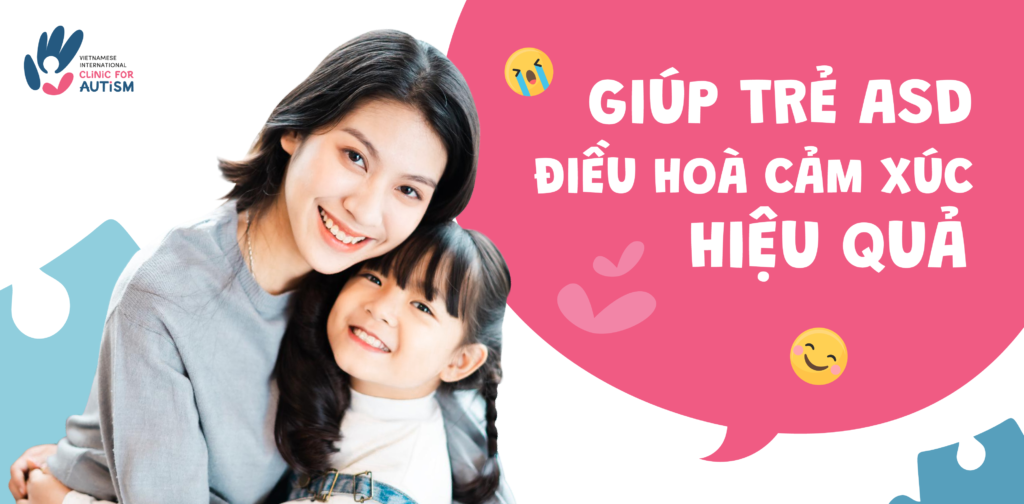
When parents receive an evaluation confirming that their child is on the autism spectrum, many experience shock, sadness, and confusion. Feelings of heartbreak, helplessness, and even guilt may arise. Many parents wonder whether they did something wrong during pregnancy or in raising their child. From a professional perspective, VICA always emphasizes that autism spectrum disorder is not the fault of parents. It is a difference in neurological development. Identifying autism early is not about “labeling” a child, but about opening the door to appropriate support tailored to each child’s needs.
Self-Blame and Regret – A Stage Many Parents Get Stuck In
After the initial shock, many parents enter a phase of self-blame and regret. Thoughts such as “If only I had noticed earlier” or “If only I had intervened sooner” often repeat in their minds. However, constantly looking back at the past only adds to emotional exhaustion. In early intervention programs based on the ESDM model that VICA applies, what matters most is not how long the child has experienced delays, but how the child is being supported from this moment onward. Every day that a child receives the right intervention is a meaningful step forward.
When Understanding ASD Replaces Fear with Empowerment
As parents begin to learn more about autism spectrum disorder—its developmental characteristics, behavioral patterns, and evidence-based intervention methods—fear gradually gives way to empowerment. Parents start to understand why their child needs clear structure, why learning through play is most effective, and why positive relationships and emotional connection are the foundation of learning within the ESDM approach. Knowledge helps parents stop blaming their child and also learn to be kinder and more compassionate toward themselves.
Acceptance Is Not Giving Up, but Changing the Way We See
Accepting that a child is on the autism spectrum does not mean giving up hope. Instead, it is a stage where parents begin to see their child through a different lens: not comparing them with others, not forcing them to follow typical developmental standards, but respecting their unique pace of growth. Small achievements—such as expressing needs, learning to wait, or connecting with others in their own way—become meaningful milestones. For children with autism, sustainable development is more important than speed.
A Long-Term Journey – When Families Grow Alongside Their Child
Over time, many families realize that raising a child on the autism spectrum does not only transform the child; it also transforms the parents. They learn patience, empathy, and the ability to listen more deeply. At VICA, early intervention programs based on the ESDM model, inclusive education, and psychological support for older children, adolescents, and adults always place the family at the center. Parents are the most important companions in the developmental journey of children with ASD.
VICA – Supporting Parents on the Journey of Understanding and Respecting Children with Autism
This journey is not easy, and parents do not have to walk it alone. Choosing the right early intervention environment—one that respects differences, is grounded in science, and places the child at the center—can help parents feel more confident and supported. Early identification of children on the autism spectrum, timely intervention, and proper guidance are the foundation for helping children reach their full potential while allowing families to regain balance, hope, and trust in the future.
Vietnamese International Clinic for Autism (VICA)
178 Dien Bien Phu, Xuan Hoa Ward, Ho Chi Minh City
Hotline: 028 7106 9268
Email: info@vica.edu.vn
Website: https://vica.edu.vn
YouTube: https://www.youtube.com/@vica-176DienBienPhu
#AutismEducation #ESDM #VICA #SpecialNeedsEducation