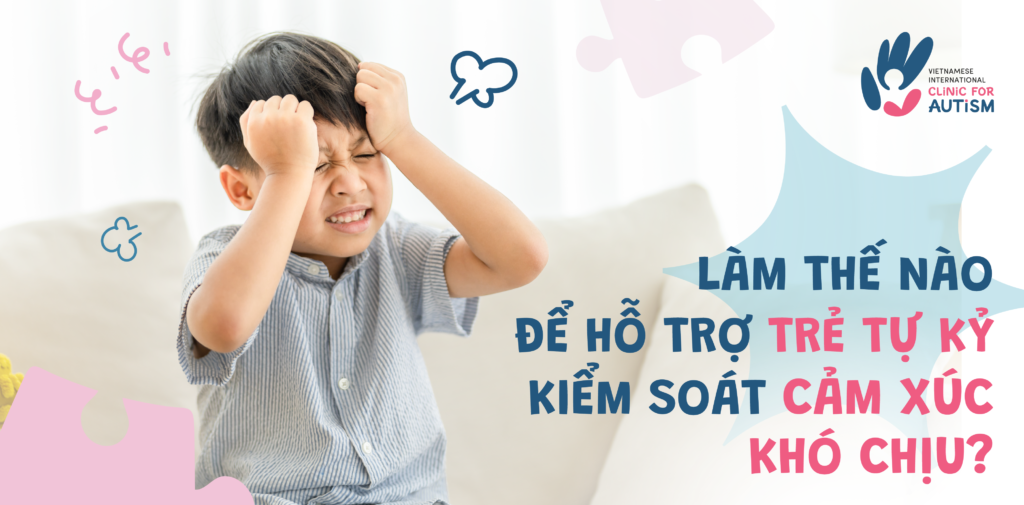
Autism (Autism Spectrum Disorder – ASD) is a neurodevelopmental disorder that usually appears very early in life, often during the first few years of childhood. Children with autism may experience persistent difficulties in communication and social interaction, along with repetitive and rigid behaviors.
Depression, on the other hand, is a mood disorder that occurs when a person experiences prolonged feelings of sadness, hopelessness, and a loss of interest in life. It may also be accompanied by anxiety, changes in sleep or eating patterns, or even negative thoughts about oneself.
KEY DIFFERENCES
-
Children with autism often do not naturally seek social interaction, not because they feel sad, but because they may not know how to communicate or may not feel the need to engage socially.
-
People with depression once had the ability to connect with others, but due to emotional exhaustion and loss of hope, they gradually withdraw from social interactions.
DIFFERENT CAUSES – DIFFERENT APPROACHES
-
Autism may be related to genetic factors, differences in brain development, or conditions during pregnancy. It is a developmental condition present from early life, and early and appropriate intervention can help children reach their optimal potential.
-
Depression often develops due to psychological stressors such as prolonged pressure, loss, or emotional trauma. Although serious, depression can be treated effectively if detected early and addressed with appropriate care (medication, psychotherapy, and supportive environmental changes).
Not every child who prefers to be alone has autism, and not every child who cries often, loses appetite, or avoids crowds is experiencing depression. Parents are encouraged to carefully observe their child’s behaviors:
-
Does your child have difficulty with eye contact, facial expressions, or sharing emotions?
-
Does your child repeat certain behaviors without a clear reason?
-
Was your child once active and cheerful but has gradually lost interest, withdrawn, or appeared persistently sad?
If these signs continue over time, do not hesitate to seek screening and consultation with developmental specialists to better understand the cause and determine appropriate support.
VICA is always here to accompany parents on this journey, ensuring that every child—regardless of their unique differences—has the opportunity to grow and develop in the best way possible.
Vietnamese International Clinic for Autism (VICA)
178 Dien Bien Phu, Xuan Hoa Ward, Ho Chi Minh City
Hotline: 028 7106 9268
Email: info@vica.edu.vn
Website: https://vica.edu.vn
YouTube: https://www.youtube.com/@vica-176DienBienPhu
#AutismEducation #ESDM #VICA #SpecialNeedsEducation